The Keeper’s Lens
The Save Starts Before the Shot
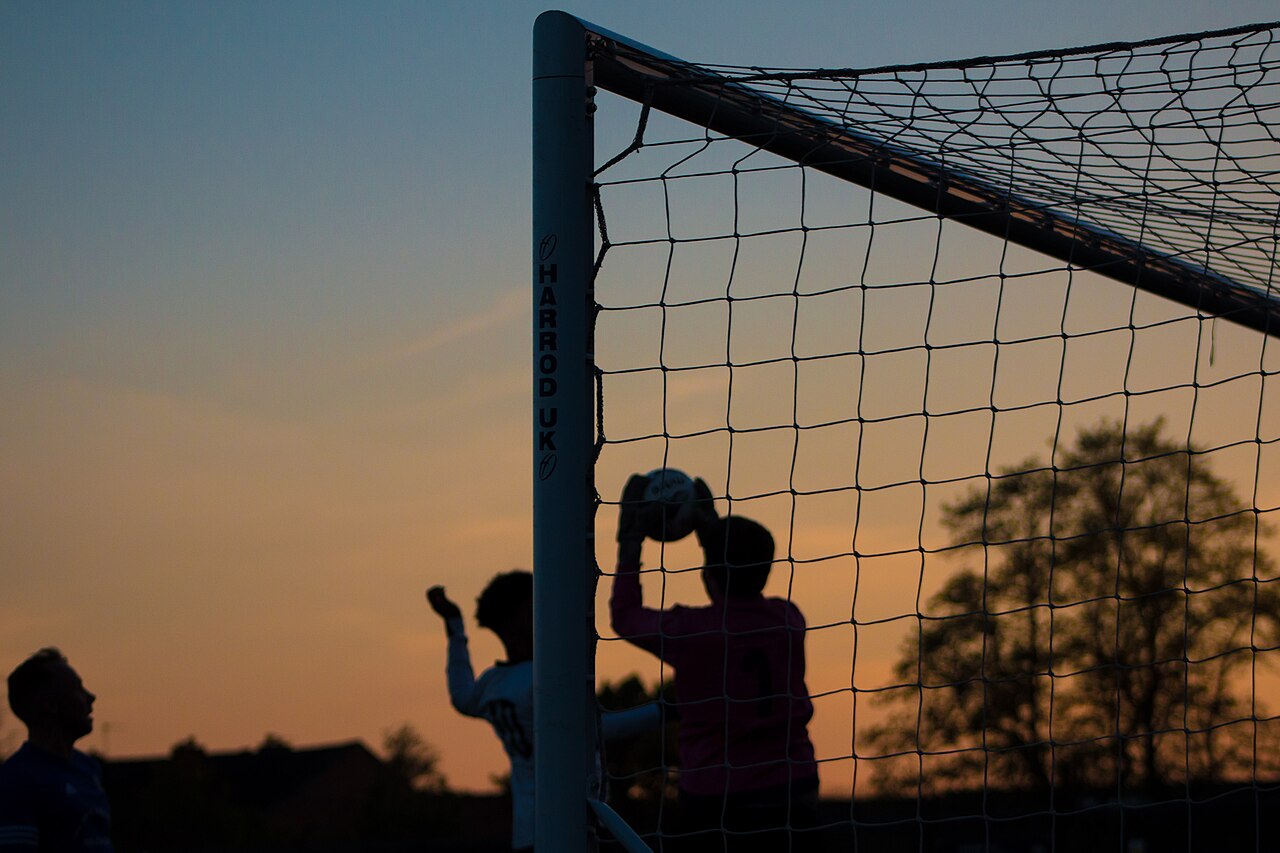
A winger breaks down the right side. The goalkeeper takes a quick look across the box and spots a runner at the back post. As the winger takes another touch, the keeper adjusts their position and calls for a defender to pick up the runner. When the shot comes, the keeper is already set and makes a comfortable save.
The save looks simple. The work started three seconds earlier.
1. Move with the play
As the ball moves, your angle changes. Small adjustments while the attacker is still setting up can leave you balanced and ready when they shoot. If you find yourself making a desperate dive, think back to where you were standing a moment earlier. Could you have made the save easier with an earlier adjustment?
Try it in training: Ask a teammate to take a touch across the edge of the box before shooting. Move with the ball, then get balanced as they prepare to strike.
2. Read the attacker
An attacker who pushes the ball out of their feet has different options from one who keeps it close. Look at the quality of their touch, the pressure from your defenders, and where their teammates are moving. Those clues help you prepare for a shot, a pass, or a cross while staying ready for the attacker to change their mind.
Try it in training: Give the attacker a teammate to pass to. After each rep, name one clue that helped you decide where to move.
3. Scan while the ball travels
A quick look while a pass is travelling gives you time to spot a runner, see where your defenders are, and call out what they might have missed. Bring your eyes back to the ball as the receiver takes their touch. The timing matters as much as the scan itself.
Try it in training: The next time the ball switches sides, check for a runner arriving at the far post and give your defender one clear instruction.
4. Make a decision you can explain
On a through ball, ask yourself who can get there first. If the attacker has a clear head start, staying up and getting set may give you a better chance to defend the finish. If you can reach the ball first, commit to collecting it. After the play, ask yourself what you saw when you made the decision. That’s the part you can learn from, whatever the outcome.
What parents can watch for
At the next match, watch your goalkeeper for a few seconds before the shot. Do they move as the ball changes sides? Do they help a defender spot a runner? Are they balanced when the attacker strikes? A good question on the drive home is, “What did you see before that shot?”
At KeeperX Academy, we want young goalkeepers to understand why they move, when to speak, and what to look for under pressure. At your next session, pick one of those habits and pay attention to what happens before the ball is struck. You might find your next save starts sooner than you think.